
Introduction: Growing Global Demand for Indonesian Cocopeat Polybag
Global agriculture continues to shift toward efficient and practical growing media. As a result, cocopeat products have gained strong attention in international markets. Among them, Indonesian Cocopeat Polybag has emerged as a competitive export product due to its consistent quality and wide application.
Indonesia’s position as one of the world’s largest coconut producers plays a key role in this trend. Therefore, cocopeat polybags from Indonesia are increasingly demanded by importers, distributors, and commercial growers across various regions.
What Makes Indonesian Cocopeat Polybag Competitive?
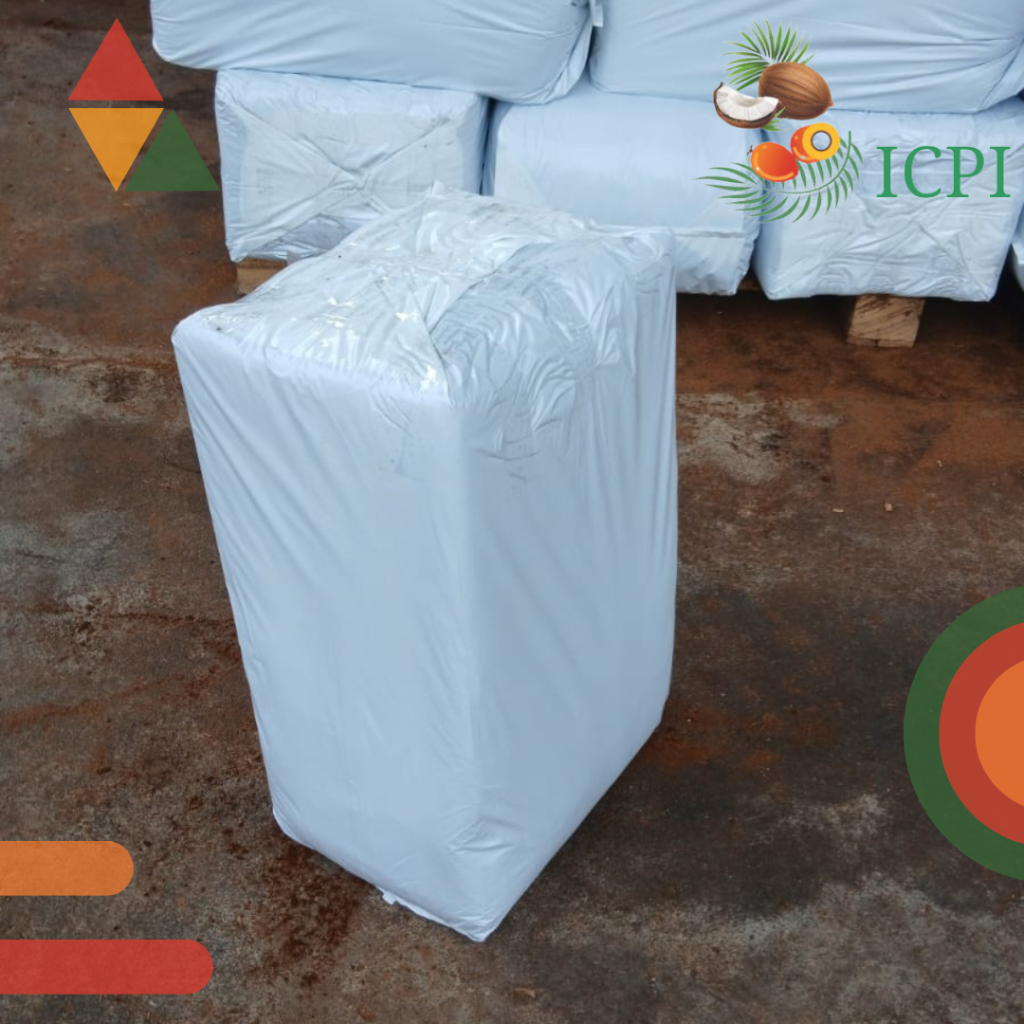
Cocopeat Polybag is produced from coconut husks that are processed into fine cocopeat and packed into polybags. This form allows easier handling, transport, and direct application in farming systems.
Moreover, Indonesian cocopeat is commonly washed, screened, and processed under controlled standards. As a result, the product offers stable texture, balanced pH levels, and low impurity content. These characteristics are essential for export markets that require consistent specifications.
Export Advantages of Indonesian Cocopeat Polybag
Consistent Quality for International Markets
One of the main strengths of Indonesian Cocopeat Polybag lies in its uniform quality. Export-oriented producers maintain strict processing methods to meet international requirements. Consequently, buyers can rely on consistent performance across shipments.
Reliable Supply Capacity
Indonesia benefits from abundant raw materials and established cocopeat processing facilities. Therefore, exporters can support large-volume orders and long-term supply contracts, which are crucial for global buyers.
Efficient Packaging and Logistics
Cocopeat polybags are designed for efficient loading and transport. As a result, container space can be optimized, helping reduce logistics costs for international shipments.
Wide Market Applications
Cocopeat polybags are used in vegetables, fruits, ornamental plants, nurseries, and greenhouse systems. In addition, their versatility makes them suitable for both commercial farming and project-based agriculture.
Key Export Markets for Indonesian Cocopeat Polybag
The export potential of Indonesian Cocopeat Polybag continues to grow across multiple regions. Asian markets such as Japan and South Korea value product consistency and cleanliness. Meanwhile, Middle Eastern countries focus on water efficiency and controlled growing systems. In Europe, cocopeat polybags are widely used in greenhouse farming and horticulture projects.
Because of these diverse needs, Indonesian exporters can adapt specifications to match different market requirements.
Conclusion: Strong Export Potential of Indonesian Cocopeat Polybag
The export potential of Indonesian Cocopeat Polybag is supported by consistent quality, reliable supply, and flexible applications. As global demand for efficient growing media increases, cocopeat polybags from Indonesia remain well-positioned to serve international markets.
For importers and distributors seeking dependable cocopeat solutions, Indonesian cocopeat polybags offer a competitive and scalable option in the global agricultural supply chain.


